How Breathwork and Gentle Movement Help Release Built-Up Stress
Key Takeaways:
Stress can be carried within the body as physical tension, emotional heaviness, shallow breathing, restlessness, or a lingering sense of disconnection from yourself.
Common areas where tension accumulates include the shoulders, jaw, chest, hips, and abdomen, often reflecting patterns of stress that have built up over time.
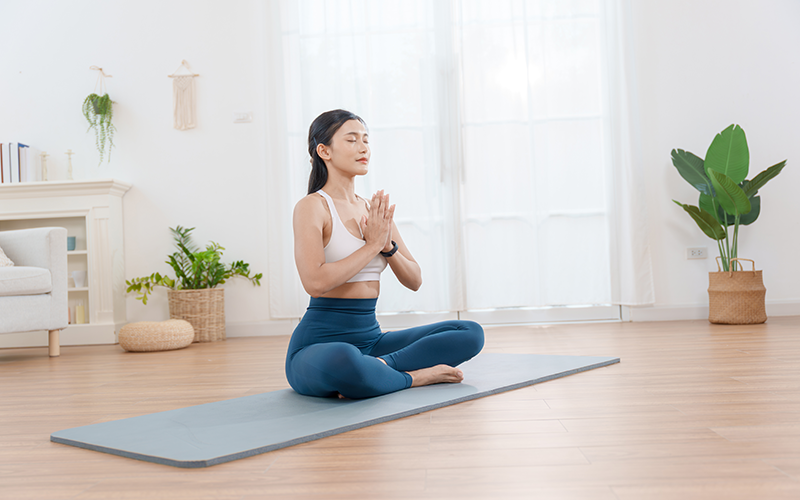
Breathwork encourages a deeper awareness of breathing patterns and can help create a sense of grounding, emotional balance, and inner calm.
Gentle yoga movements, restorative poses, and mindful stretching support the gradual release of tension by encouraging the body to soften rather than push or strain.
Regular breathwork and gentle movement practices can strengthen self-awareness, support emotional well-being, and help you move through life's challenges with greater steadiness, presence, and ease.
Introduction
Stress is usually described as residing in the mind, yet many people feel its presence throughout the body. After periods of emotional strain, constant busyness, overstimulation, or carrying responsibilities for a long time, it is common to find yourself holding stress in ways that are not immediately obvious.
You may notice heaviness in the shoulders, a tightness across the chest, restless energy that never seems to settle, or a lingering sense of fatigue even when life appears calm on the surface. You may feel disconnected from yourself, as though you are moving through daily life without fully arriving in it.
Many spiritual and holistic traditions teach that the body remembers. Experiences, emotions, and unresolved challenges can leave impressions that remain long after the original moment has passed.
Practices such as breathwork, yoga, and mindful movement create opportunities to listen more closely. Rather than asking the body to do more, they invite it to soften, slow down, and return to a natural state of balance. Through this process, layers of tension may gradually begin to unwind, creating space for greater ease, clarity, and connection.
Understanding Built-Up Tension
Stored tension develops when life moves faster than our ability to fully process what we are experiencing.
The body responds naturally to challenge and uncertainty. It braces, protects, and prepares itself to meet what is in front of it. While this response can be helpful in the moment, many of us continue carrying that protective energy long after a situation has ended.
Over time, holding stress in the body can become so familiar that it feels normal. Tight shoulders, shallow breathing, emotional heaviness, and a sense of always being "on" may quietly become the background of daily life.
From a yogic perspective, tension is not only physical. Emotions that have been pushed aside, grief that has not been acknowledged, or experiences that have never been given space to settle may continue echoing within us. The body becomes a place where this tension is stored until it is met with awareness.
Where the Body Commonly Holds Stress
Stress leaves different impressions in different people, yet certain areas of the body tend to hold tension more readily than others.
Neck and Shoulders
The neck and shoulders frequently carry the weight of responsibility. When life feels demanding, these areas may become heavy, tight, or fatigued, as though they are supporting far more than their physical load.
Jaw and Face
The face can reveal emotional strain in subtle ways. Clenched jaws, tightened expressions, and tension around the eyes may reflect inner pressure that has been carried quietly throughout the day.
Chest and Heart Space
The chest is closely connected to both breath and emotion. During challenging periods, this area may feel restricted, guarded, or heavy. Many people discover they have been holding stress here through shortened breathing patterns and an unconscious tendency to protect the heart space.
Hips and Lower Body
Many yogic traditions view the hips as an area where deeply held tension can accumulate. Long hours of sitting, emotional suppression, and disconnection from movement may create a sense of density or stagnation within the lower body.
Stomach and Abdomen
The abdomen is highly responsive to emotional experiences. Feelings of uncertainty, worry, or overwhelm can create a subtle tightening through the centre of the body, influencing both comfort and breath.
Signs the Body May Be Holding Stress
The body rarely speaks through dramatic signals. Instead, it communicates through quiet messages that can easily be missed when life feels busy.
You may find it difficult to fully relax, even during moments of rest. Breathing may feel restricted or shallow without any obvious reason. Emotional reactions may feel stronger than usual, or there may be a sense of restlessness that follows you from one day to the next.
A feeling of pressure, heaviness, or being disconnected from your body can also reveal tension stored for an extended period of time. These sensations are invitations to slow down and listen rather than signals that something is wrong.
How Breathwork Supports Emotional and Physical Release
Breath has a unique ability to guide us back to ourselves. Throughout the day, breathing naturally responds to our emotional state. During stressful periods, it may become quick, shallow, or constrained. When we feel safe, present, and relaxed, it tends to flow more freely.
Breathwork for stress is a powerful method of release: the practice creates a gentle pathway inward, allowing awareness to settle on something that is always present. As breathing slows and deepens, the mind is given an opportunity to become quieter. Layers of tension that have been hidden beneath constant activity may begin rising into awareness. Emotions that have been pushed aside can sometimes soften and move through naturally, without needing to be analysed or fixed.
Different breathing practices may support different experiences. Simple techniques such as deep belly breathing encourage fuller, slower breaths and can help create a sense of grounding. Alternate Nostril Breathing is traditionally used to cultivate balance and mental clarity, while practices such as Gokul Pranayama encourage a gentle, meditative awareness of the breath.
Many practitioners describe breathwork as a process of returning home. The steady rhythm of the breath becomes an anchor, helping them reconnect with themselves after spending long periods caught up in external demands. As practice deepens, this relationship with the breath may cultivate a greater sense of trust, presence, and inner steadiness.
How Gentle Movement Helps the Body Let Go
Where breathwork invites awareness inward, gentle movement creates space for that awareness to move through the body.
Practices built around gentle movement exercises encourage exploration and curiosity, rather than challenging limits. A slow stretch, a supported posture, or a mindful transition between movements can reveal places that have been asking for attention. As awareness enters these areas, they are given permission to soften.
Gentle movement can take many forms. Practices such as Cat-Cow stretches, seated twists, restorative poses, supported hip openers, and gentle neck and shoulder releases encourage the body to soften without force. These movements are typically performed slowly and with awareness, creating space for areas of tension to gradually unwind.
The Benefits of Breathwork and Gentle Yoga Practices
As you spend more time connecting with your breath and body, it may become easier to recognise when tension is beginning to accumulate rather than waiting until it feels overwhelming. Breathing can feel more spacious, the body may feel less burdened by stress, and moments of calm may become easier to access throughout the day.
Many practitioners also notice a stronger sense of connection with themselves. Instead of moving through daily life on autopilot, they become more aware of their physical sensations, emotional responses, and energy levels. This awareness creates opportunities to respond with greater intention and care.
These practices can also support a deeper appreciation for rest, presence, and balance. In a culture that often encourages constant activity, taking time to slow down can become a meaningful act of self-care. Through regular practice, people may discover that ease, stillness, and inner awareness are valuable sources of strength.
Conclusion
Stress can be held within the body long after a difficult experience has passed. Emotional strain, overstimulation, and constant activity may gradually shape how we breathe, move, and relate to ourselves.
Breathwork and gentle movement offer an invitation to stop and listen. Through conscious breathing, mindful movement, and moments of stillness, we create space for release, reconnection, and renewal.
At The Yoga House, we offer a calm and supportive environment for those seeking to ease tension and relieve stress through yoga. Our yoga classes incorporate breathwork, restorative practices, mindful movement, meditation, and traditional yogic teachings that support emotional well-being and inner awareness. We also offer a 45-minute Gokul Pranayama and Meditation class, which guides students through breath-led stillness and meditative awareness to support grounding, inner calm, and deeper self-connection.
Whether you are exploring yoga as a beginner, returning to practice after a break, or looking for gentler ways to work with stress and overwhelm, our experienced teachers offer guidance that honours different needs, abilities, and energy levels. Our yoga studio in Singapore is a welcoming space to slow down, breathe deeply, and reflect amidst the demands of everyday life.
Contact us to learn more about our classes and wellness offerings.
 Chat
Chat