On Practice Culture
What is Yoga Practice?
We often hear heart-flutteringly abstract stuff like “let your breath guide you”, or “yoga is not an exercise, it’s a lifestyle”, better yet “practise, practise, practise, and all is coming.” They may be true to some extent. But don’t let esoteric niceties distract you from proper practice and actual progress. There is a difference between motivation and discipline. Motivation might inspire, but discipline does not need inspiration.
A yoga practice requires putting your nose to the grind and involves due amount of commitment – not just to showing up on the mat and get into pose, but also in the pursuit of self-knowledge and spiritual growth, as well as being responsible and respectful to Yoga as a practice.
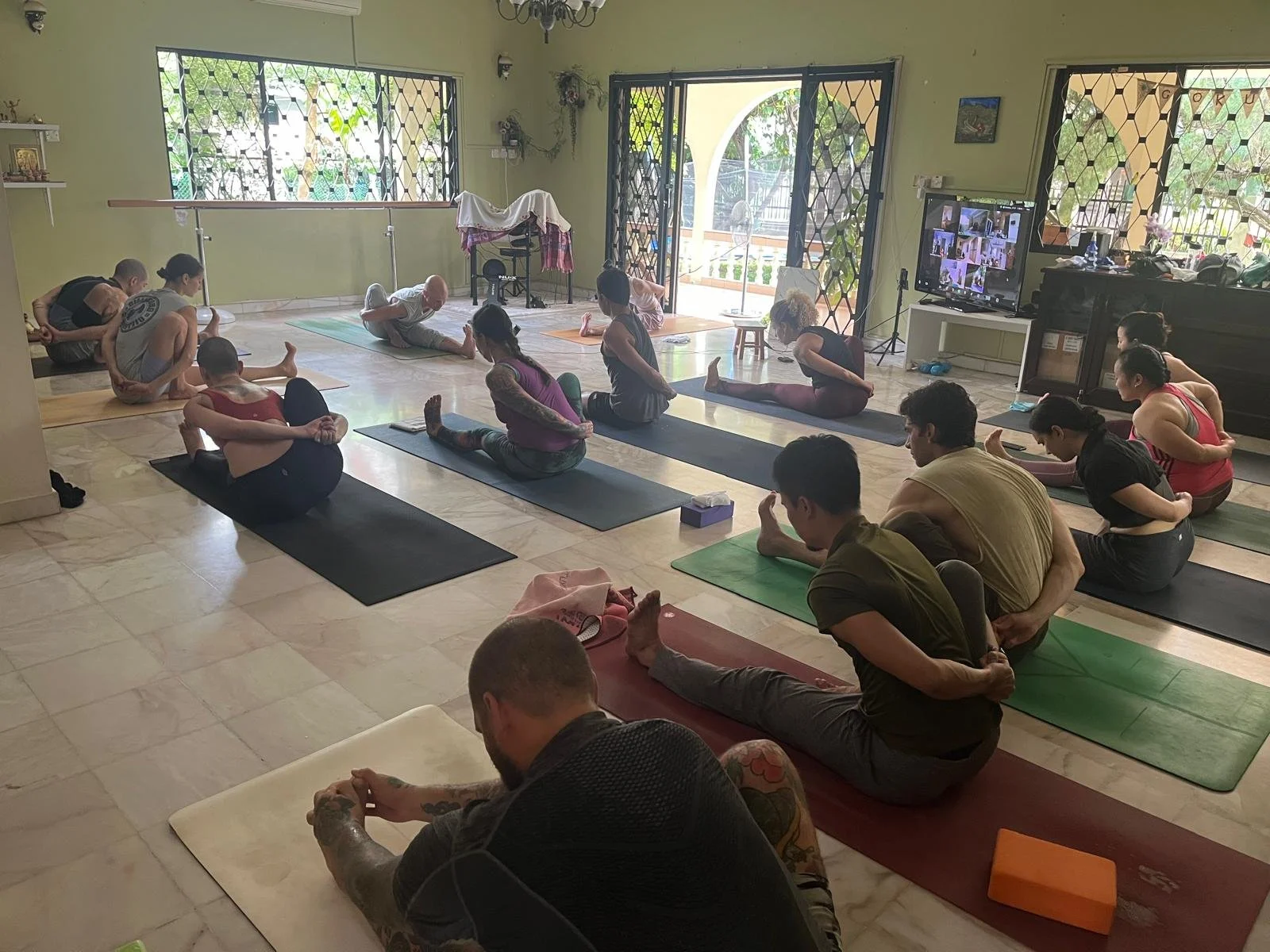
Gokul Yoga Shala in Kota Kinabalu
What is Culture?
Culture is defined as “the shared set of beliefs, behaviours, values and knowledge, that define a group, learned and passed down through generations”. Through this collectivism and over time, a tradition is formed. The mindset, the observances, and the practices make the culture.
Granted: this is where the word “cult” is from. But authentic yoga lineages are not that kind of cult. To be part of a yoga lineage, you have to qualify. The qualification is Yoga Sadhana. And it’s hard to get in, and easy to be kicked out. The same way if you want to study at a good University, you must make the grade. To be able to practise as part of a yoga lineage, you must maintain constant and regular practice, to be able to collectively serve and preserve the lineage.
Cikitsa/Sadhana
Technically, yoga is not about self-improvement. Not for a better physique, or a healthier lifestyle, or for a clearer mind or for more efficient managing of emotions. Yoga is about self-transcendence. What we see as physical and/or mental benefits, are literally byproducts of a yoga practice. When you come for practice with the aim of achieving these, it’s called Cikitsa (therapy). You enjoy and/or profit from having practised.
Sadhana is quite the opposite. Sadhana, at its core, is dedication to a yoga practice of a bona fide yoga lineage. The word “sadhana” has been used too loosely in modern yoga culture. It’s not just turning up regularly for a feelgood stretch and strengthening session. It is about practising yoga within a yoga lineage with the aim of self-realisation; a practice where effort meets discipline, and ultimately a spiritual call of duty, under a teacher, within an authentic lineage.
Simply put: Cikitsa is when the practice serves you, Sadhana is when you serve the practice.
Upasana/Sangha
Upasana means regular and constant practice under the guidance of the Teacher. The word upasana literally means “to sit near”, i.e. you must turn up for practice. The same way you would benefit from hanging out with people who would do you good, upasana ensures that everyone is on the same page (in this case, the transmission of a lineage). Upasana also involves sitting with intention, focus and dedication.
The people who turn up for Upasana is a sangha, a community or assembly of like-minded cohorts, in practice of Yoga. This oneness stems from practice culture, where a common goal through verified means is studied, performed and experienced together. A support system of sorts, but more importantly, a stronghold of mutual perspectives and shared practices that ensures continuation of age-old truths about the Self.
Upasana is the foundation of receiving Knowledge that only a Teacher and Sangha can provide.
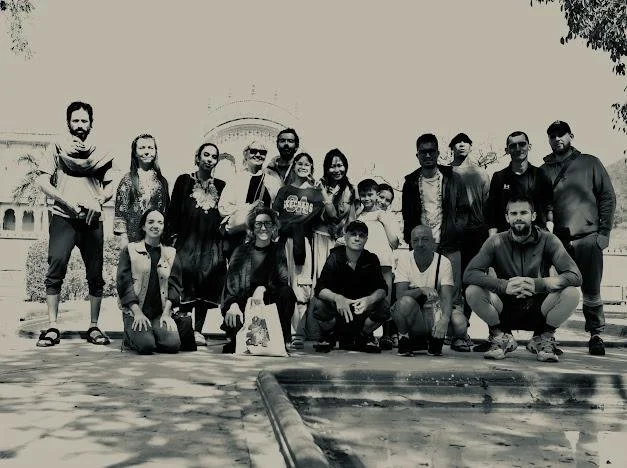
Parikrama 2026 to Jaipur and Puri. A yearly trip to offer respects to the various temples and deities associated with the Gokul Yoga lineage.
Guru/Sisya
The word “guru” breaks down into the literal meaning of “darkness dispeller”. A Teacher of yoga sheds light on what already is, ie Truth. The teacher is responsible for passing down the knowledge as it has been passed down, without altering or interpreting the teachings as prescribed. As much as he/she is responsible for imparting knowledge according to the lineage’s philosophy, he/she is also its protector.
Sisya means “student, disciple”, a person who accepts a teacher and is willing to be mentored within the constructs of the tradition by observing the regulative principles and practices of the system.
The teacher-student dynamic involves etiquette, responsibility, humility and respect, expressed through the philosophy and values of the tradition. Herewith lies the method of transmission. The relationship between guru and sisya is an alignment of values, in which the sisya is obligated to the guru, and the guru is obligated to the lineage.
Parampara
And that’s what Parampara is: an unbroken disciplic succession; a lineage. Parampara ensures that yoga remains true, complete and unadulterated. Who is your teacher’s teacher? And his/her teacher before? A Parampara is traceable. This constitutes a lineage, that ensures yoga has been properly passed down. Teachings from the Source, transmitted without interpretations, opinions or tweaked to suit personalities or intelligence levels. It’s just not that kind of knowledge.
A disciplic succession constitutes a teacher and a student, neither is what it is without the other. Which brings us right back to Sadhana – a student’s dedicated practice with a teacher from a bona fide lineage. There are a few bona fide yoga lineages, not just one. But there is only one reason why we practise yoga, and that is self-realisation via the methods and teachings according to the Yoga Sutras and Shastra (Vedic literature). Much the same way you have many routes to one same destination. Just know that, when you take on proper practice, it should be within an authentic lineage with practice culture.
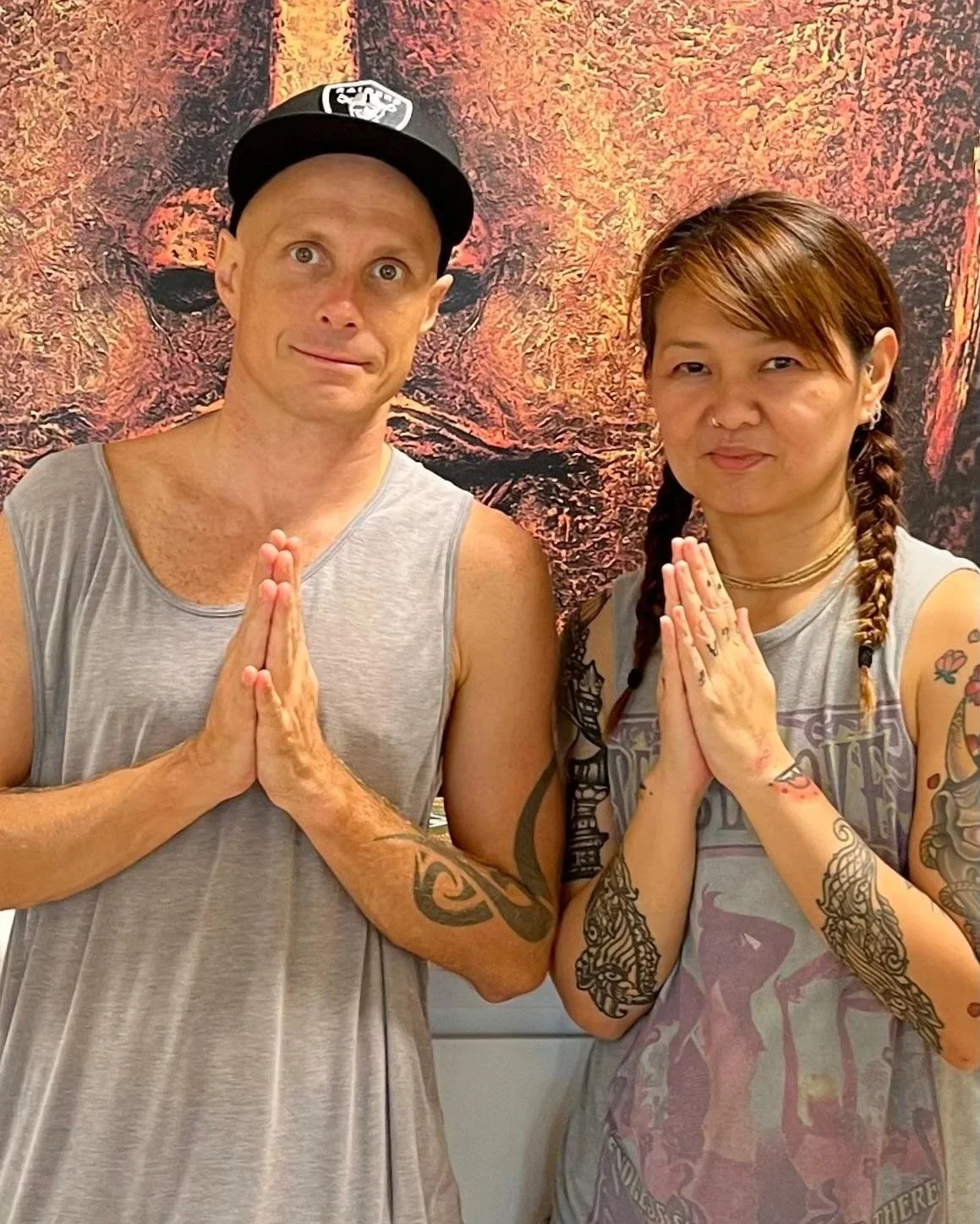
Pearl with her Guruji, Mahayogi Gokulacandra
No Upasana, no Sadhana.
No Sadhana, no Guru.
No Guru, no Parampara.
No Parampara, no Yoga.
Written by Pearl Bhasin
 Chat
Chat